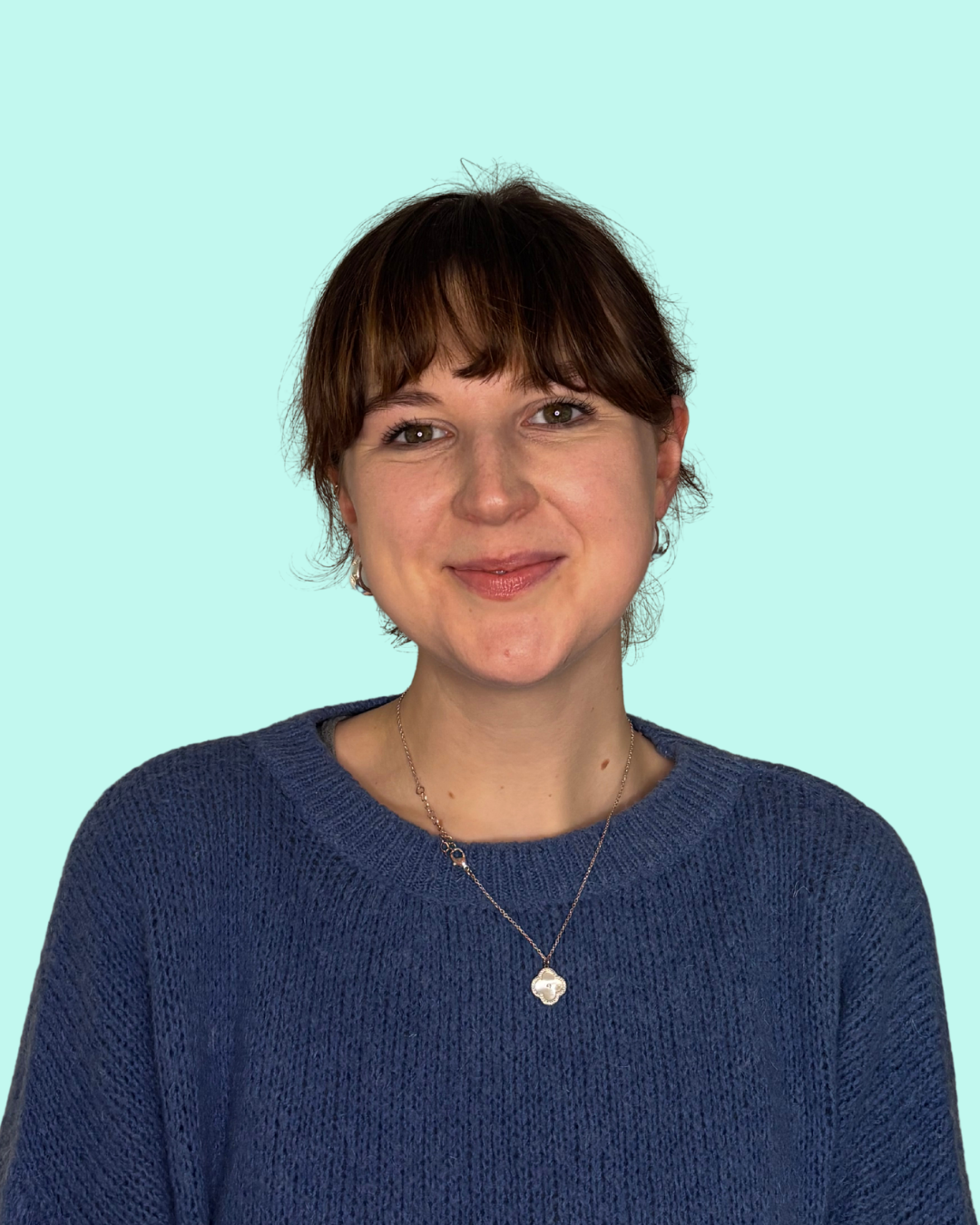
In this episode of Inside Media Relations, Jack Murray sits down with Paraic O'Brien, Foreign Correspondent with Channel 4 News, to explore what it really takes to report from the front line of major world events, uncover the truth and tell the human stories behind the headlines.
From growing up together in Ballinasloe to reporting from some of the world's most dangerous conflict zones, Jack and Paraic reflect on his unconventional journey into journalism, the experiences that shaped his career and the importance of curiosity, empathy and persistence in finding a story.
Drawing on his reporting from Ukraine, Syria and the refugee crisis in Europe, Paraic shares what happens behind the scenes of international news coverage, from navigating dangerous environments and building trust with sources to making difficult editorial decisions under extraordinary pressure. He also reflects on his experience reporting from Syria following the fall of the Assad regime, including entering the notorious Sednaya prison and uncovering evidence of mass graves.
The conversation explores the vital role of local journalists in foreign reporting, why the strength of the team on the ground can be just as important as the story itself, and how journalists balance the responsibility to report accurately with the emotional toll of witnessing conflict and human suffering.
For PR and communications professionals, the discussion offers a valuable perspective on how journalists approach unfamiliar situations, establish trust and identify the people who can help them get to the heart of a story. Paraic also shares his advice on building relationships with journalists, maintaining contacts and recognising when reporters and communications professionals have a shared objective.
At the centre of the conversation is a question that goes to the heart of journalism: when reporting from places where the truth is difficult to establish and the stakes are extraordinarily high, what does it take to tell a story accurately, fairly and with humanity?
Transcript:
Jack Murray 0:00
Welcome to Inside Media Relations, the podcast for PR people series about getting their stories covered. In this episode, the truth from the ground: what it takes to be a foreign correspondent. We're exploring what it really takes to report from the front line of major world events. I'm joined by my good friend Paraic O'Brien, foreign correspondent on Channel Four News. We're going to explore how journalists establish the truth when faced with conflicting accounts, how they build trust with sources, and what it takes to report under extraordinary pressure. We'll discuss the risks, the difficult decisions, and the human stories behind the headlines. Let's get inside media relations, Paraic. You're very welcome.
Paraic O'Brien 0:51
Thank you very much. You will be on your podcast.
Jack Murray 0:56
There you go.
Paraic O'Brien 0:57
Like from this, we were raged. Oh man, and
Jack Murray 1:00
It's funny. Like you have the distinction of being the guest. Be afraid, because you're the guest. What the viewers and the listeners don't know is that we started off at four years of age in baby infants. So that's right. Sister Louis,
Paraic O'Brien 1:14
Sister Genevieve, before I remember them all well.
Jack Murray 1:17
Sister Genevieve, yeah, mrs. Dunn, and
Jack Murray 1:20
and I had the distinction of having two years with your mother, Catherine. And I did first. I was so good. They put me through first class twice. So let's start at the start.
Paraic O'Brien 1:30
And she was easier on you than she was on me. I can tell you that. Go on
Jack Murray 1:34
. Growing up in Ballinasloe in the west of Ireland in the 1970s and 1980s and early 90s. Talk to me about like you know your dad, your late dad Larry, who was very fond of, worked in the post office, came from from West Clare. Your mom from Portarlington and was teaching in St Grellan's Boys National School. What what were those years like? And when you look back on it now, on on how you were formed as a person, what influence do you think that has when you look back?
Paraic O'Brien 2:06
Oh, huge! I mean, I was lucky enough. You know, we grew up in a very happy family. Loved Barllinasloe. Loved St Grellans. Loved kicking an out football around a muddy field, trying to avoid the horse shit after the fair and the green with yourself. I'd say during that period I had it was a very happy childhood, but quite unusual also. And the reason for that was when I was about 10 or 11, a family of American evangelical Christians moved to Athlone and set up a church and sort of exported a lot of their American evangelical happy clappy culture into this little church, and my mother and father joined that church, so that was a really formative time for me because we had like on the one hand they were lovely people this American family, but they set up this very American-style Bible belt church. I mean, this family moved from the buckle on the Bible belt. They moved from Tulsa, Oklahoma, to Athlone, and my mother and father joined that church when I was 10 or 11. So, from about 11 until 17, we were sort of immersed in this kind of religious counter culture, should we say? And it was a real clash of cultures, because up at the front of the church there was this American family with you know big hair and very American, and in the congregation there was like you know farmers' wives and ourselves and their husbands and proper rural island communities. So those two cultures, I could tell you stories about how those two cultures kind of clashed. But I suppose what was interesting about that for me was that because of my mother, my mother and father's sort of religious sensibilities and their sense of social justice, we had all sorts of waifs and strays in and out of our house for years and years. I mean, it was an open door. We had homeless people, we had alcoholics, we had all sorts coming in and out. And I think from a very early age, that instilled in me a sense of the outsider and your responsibility to them, and the fact that they're not scary. Do you know what I mean? So they were inside in our house, and we were chatting to them, and it it really, for me, opened opened opened my mind to what it's like to be an outsider, and that they are need to be connected with and reached out to, and that they're not something to be scared of. And I like to think that subsequently that informed a lot of what I do in my journalism.
Jack Murray 4:50
I was with you through all that period, and as I said, we we started in baby infants and became fast friends and. Even the days in primary school, I have memories of, and we spoke about him last night. Chris Kelly, who who who arrived into Banillasloe as a as a primary school, cool primary school teacher with dark curly hair,
Paraic O'Brien 5:14
opal mantra, yeah, guitar playing. He taught amazing.
Jack Murray 5:19
Yeah, he he taught us guitar. Yeah, I remember he used to have weekly dramas where he, you know, he would afford us great latitude to to write plays, yeah, and to perform them in front of the class. And then there were spell the spelling competitions, which you used to always win. I used to used to get a free set of markers if you won the spelling competition, and I used to think, how many sets of markers does this fella? Yeah,
Paraic O'Brien 5:46
it's interesting because we were chatting about this last night, and you you reminded me of some of those sort of formative teachers, both in primary and secondary school, in St Grellans and in Garbally, and in my in my sort of in the the list goes like Chris Kelly for me, Mick Lally, Joe Malloy, like amazing English teachers in Garbally, and I remember I've such it's it's so like formative and so the the the degree to which those men I think influenced me in my career I often think about that like Mick Lally's class, amazing English teacher, and I don't know. Did you have Mick Lally?
Jack Murray 6:24
I did.
Paraic O'Brien 6:25
Do you remember his classroom? Like he'd walk in, and he was into theater. He used to travel the world, and he'd go to you know theater productions of Macbeth in New York or you know Hamlet in London, and he plastered the the root the walls of the classroom with the posters that he had picked up, and I remember walking into that classroom and looking around every day before the English lesson had started, and looking at the posters and thinking to myself, two things: I'm going to see those plays, and I'm going to see them in those places. And I just just a little insight into how like Mick opened up a window inside my head that again I think has informed a lot of what I do a desire for adventure and exploration both like physically traveling but also like inside the head
Jack Murray 7:15
and that piece then you spoke very eloquently there about about the about the religion and and like I have a vivid memory of that time of that like the tension that would have been within you as a teenage boy and oh god wanting to go and explore and this is what was happening at home and just wanting to be a teenager and do the things that teenagers do
Paraic O'Brien 7:36
yeah yeah yeah we're kind of wandering into the X-rated section of the podcast. No, I mean massively. So it wasn't. While I had a very happy childhood, there was a darker side to that because not only I think not only did it open my mind to sort of the outsiders and different perspectives, it perhaps gave us as a family a slightly like a sense of that we were outside as well, that we were sort of separate from normal, ballinasloe life, and that comes with a downside, also I think, but also with an upside. Like, like I often look back on those times, my parents, and really, as I say, it wasn't all just sort of you know grade. There were bad sides to it, but, but it, it, it. I think it instilled in me a sense that you can go against the grain. You know, you can you can step outside. You can go in the. You can go against the current, culturally, even within the context of ballinasloe. And again, that's something that I've brought with me. Even though I hasten to add, like I'm an atheist, I I have subsequently sort of abandoned faith. Although I understand, I've been on a journey with that. Like I was quite angry, I think, in my early 20s about that experience. But then, but now I've come to a sort of deeper understanding about what faith gives people, and faith and the understanding of what faith gives people, is crucial in my job. You know, when you're in Syria, when you're in the Middle East, when you're dealing with you know far right populists, when you're dealing with Christian nationalists, you have to understand what that's giving them, I think, in order to tell that story properly.
Jack Murray 9:26
So let's talk about your your your very unconventional kind of path to journalism. You went from Garbally College in secondary school to UCD and studied social science, and then you went on a path to study community development after that. Yeah, and it it was a quite a meandering road. You were always a good storyteller, and you were always very creative. And was it a kind of a natural progression from where you came from to get into community development?
Paraic O'Brien 10:00
It was. I think it was. I mean, UCD because. Because we had, because I had grown up in this quite religious environment, when I got to go to university, it was like the gates opening at the races. Do you know what I mean? I was I hit Dublin with a bang in terms of socializing. So there was a couple of years of a slight write off, should we say, the first couple of years at UCD, lots of heavy partying, etc. Got that sort of gradually out of my system. In UCD, I started to think I do actually want to be a journalist here, but I think there was a sense within the family. Dad wasn't keen on the idea of me getting it in journalism, and part of the reason for that was I didn't know any journalists. Do you know what I mean? I didn't. It wasn't. It wasn't a category of profession or job that I felt was open to me because I'd never met a journalist. I just assumed that that that section of the of that that profession wasn't something for me, and and for me, I often think about that because I think, you know, there's lots of talk about like diversity in our profession, and I'm a firm believer in diversity, but not as a tick boxing a tick box a box ticking exercise. I think there's something very fundamental in our industry that that we need to think about around. You know, people need to see and hear themselves on the box on their screen in newspapers in order to feel that this is something that they can that is open to them. And for me, like you know, I mean, we were in no way disadvantaged, you know. But I just, in my mind, just assumed that wasn't for me. So then, as I went through UCD, got into community development, you know, the whole kind of was very, you know, animated by social justice and equality, etc. Partly due to my upbringing, so went on on and then ended up in Maynooth doing a community development diploma, and again, like Maynooth at the time and still is presumably was a real hot house of you know political quite radical thought. So that really encouraged me to go down the community development, local politics, youth work line. But to be honest with you, a I was not very good at it, and b in my heart of hearts, the whole the journalism thing was just always like tugging away at the heart.
Jack Murray 12:35
And like I remember back then, like I was struck by the notion that kind of professional community development in Ireland was like community development has been around since time began, but this notion of community development as a profession or a community development person was quite new then. And like I remember you being like out of college and like popped into the metropolis of Borissokane, yeah, and like this sherkin Island and Sherkin Island, yeah. But like this notion of like even like you're here, and I can remember visiting you in your office in Borissokane, and like you're here, and you're here to do community development. Off you go, kind of like you've got your you've got your qualification. There's and I mean pure madness. Yeah,
Paraic O'Brien 13:17
it was absolutely like there was lots of money in it, I mean grant aid. So there was there were jobs.
Jack Murray 13:24
Yeah,
Paraic O'Brien 13:24
and I came out of Maynooth. Let's. I'm as green as the day is long in terms of the actual machinery of how these communities are working and how to access funds and and just was way out of my depth very quickly.
Jack Murray 13:38
And then you went like Sherkin. Your your time in Sherkin wonderfully tallied with my time in Cork City. I used to take trips on the bus, the bus eir bus to Skibbereen, and I was telling the story to someone last week. It was it was around the time the movie In the Name of the Father had come out.
Paraic O'Brien 13:59
Okay, god.
Jack Murray 14:00
And I got caught on the edge of Skibbereen, and I was getting, I was out on the edge of Skibbereen, hitching a lift to Baltimore to get the ferry out to see it. And this station wagon pulls up, and I was going, I wonder who this is. And I look in, and who was it? But Irish actor and singer Don Baker, who just starred in, he had just played this really hardcore IRA guy in in the name of the father, and there was a great line in the movie where they were sussing him out, and they said, "Paddy's all right, Paddy's all right," and that was him. And like he was there looking at me with his steely eyes, and he went, "Oh, do you want to lift?" And I went, "Oh yeah, thanks, yeah." And he had been shooting to film down there, but like that was a mad time for you being out there.
Paraic O'Brien 14:40
I don't know what I was thinking. Again, it was you know the job. So you were community development officer for
Jack Murray 14:45
the islands of West Cork.
Paraic O'Brien 14:46
So yeah, basically it was my first job out of finishing the diploma in in Maynooth, and a job came up as a community development officer managing a cooperative of islands. So there was like sherkin. Bear Island, Whitty Island, five of them altogether. So Sherkin population, winter population of about of about 70, and Bucko rocks up haven't gotten the job. The parish, the church, is in the middle of the island, if you know Sherkin Island, and the priest's house is built onto the church, the presbytery, the you know there hadn't been a priest on the island for many many years, so I was accommodated in the in the priest's house. It was like it was like community development, Father Ted. Basically, I rock up in living in living in in in the priest's house. Spent just over a year there. I mean, didn't know what I was doing. Had some kind of romantic notion, maybe that I'd write a book as well as do the job. That didn't pan out. Had I remember, this is maybe not for the podcast, but the end of my time at Sherkin came close after hosting a very very big house party on a Saturday night inside the old priest's house, and things got a little out of hand at the party on a Saturday night, and as parishioners were making their way to mass on the Sunday morning, they had to pass a course to where I was living, and there was there were there were bodies strewn out in the front of the church, and and not long after that, I was politely asked to leave.
Jack Murray 16:31
And it was funny. I remember describing it to someone like your own private episode of The Shining. Like it was like it was. I once visited with my brother, and he was down visiting me, and we were talking about the island mindset. And we met loads of brilliant people out there. And my brother can be quite profound, Kevin. You know him well. And he said to me when we came off the island, he said, "You know, there's some people on that island that think Ireland is off the coast of Sherpa." Yeah,
Paraic O'Brien 16:57
and it is in many. I mean, I loved it there.
Jack Murray 17:00
Yeah,
Paraic O'Brien 17:01
like amazing people, and I've sort of lost contact with it a little bit. But I did hear recently that you know they they took in a number of Ukrainian refugees when the war started, and the first Ukrainian baby was born on Sherkin. I think either last year or the year before, which always like it's like those two bits of my life sort of coming around and meeting each other in a circle. I I like that idea.
Jack Murray 17:30
So it came full circle. You moved to London and you continued to work in community development, and at at some point you decided to take the jump then into journalism.
Paraic O'Brien 17:39
So worked in kind of youth services in inner city London, which was an experience in itself. But again, this always really wanted to get into journalism. So at the time, we had I had Mary, who's now 28. So that's my eldest daughter. So we had I had Mary. I was working and then started to study journalism part time on top of that. So there was about two years, of which was very intense, very very you know quite quite difficult, long long long hours. Finished at City University, and then a trainee reporter job came up on You and Yours, which is the consumer affairs program on Radio Four, and I went for it. And an amazing editor at the time of You and yours, a woman called Chris Burns, gave me my first break, and on paper shouldn't have. But I remember to this day going into the interview for the trainee reporter job, and a couple of days before I went out and thought to myself, I really, I know I don't have the experience for this, but I need to make an impression. So I went out, Jack, and I bought. I'll never forget it. I bought a brown and green tartan suit, and I arrived into the interview looking like some Scottish like brave art madman sitting there in my tartan suit, and Chris Burns was sitting over, and she like she didn't know what to make of me, and it quickly became apparent that you know I didn't have the level of experience that you would expect. I mean, it was an entry level job, but a sought after job, but I was so hungry, and I think based on that, she decided to take a chance on me, and I owe her so much. And it's interesting. I was thinking before the podcast, I've got like a number of lucky breaks. Chris Burns, Cath Hearne at BBC London TV News, same again after a few years on on on Radio Four, she gave me a break. Esme Wren, the editor at Channel Four News, gave me a break with the with the foreign correspondent job, and it's kind of interesting that it's been for me, it's been women managers that have opened doors for me, and I'm not sure why that is. I think it might be something to do with maybe they're more likely not to think in a kind of a clubby way or something, or take a chance, or you know maybe let the outsider in, and that's I feel like that's been the story of much of my early career, and I'm really forever grateful to those amazing female editors.
Jack Murray 20:48
Take me back to when you started in City College and studying the journalism. Did you feel the minute you got into the subject matter, this is I'm here now.
Paraic O'Brien 20:58
Oh God, yeah, I'm in so much so, the people I was with, I just loved it. Like the minute, the minute I, the minute I walked in the door, and also we used to get, we used to get like really good speakers in. Interestingly, so Piers Morgan, I know he's a divisive figure, but he he gave a speech that really, really stuck with me. And it was because I asked a question at the end of his talk. And for for a moment, he like he addressed me in a very kind of personalized way. You know, he connected in a it was eye to eye. It was I'm answering your question. I'm giving you advice that's almost like it felt just tailored for you, and there's been a few of those times when like people have just displayed a kind of generosity of spirit that really does mean a huge amount, I think, to young you know aspiring journalists.
Jack Murray 21:59
And talk to me about the curiosity superpower because I had a very, I had a very similar experience to you. Arrived in the late 90s into eventually getting to journalism. It was funny how we started in the same place and kind of had a similar path. But getting to post grad in journalism in the Dublin Institute of Technology and immediately realizing, oh, this is my place. I'm, I've eventually got into the right room. Looking around me and seeing loads of people with English degrees from Trinity and people who've been working in college newspapers for a long while, but quickly figuring out that the curiosity piece was a superpower and that I could blow a hole in any wall with my doggedness, my just desire to get to the bottom of
Paraic O'Brien 22:41
it, absolutely. So I call it the how reflex, W or H O W. For me, it's that hang on what moment, and I think the advice I give to kind of younger journalists now is to literally develop that hang on what reflex like a muscle. So when you're talking to someone, when you're reading a newspaper, when you're reading something online, any interactions you have, when you have that hang on what moment? When there's a line in the article, when there's a sentence somebody says, when there's something that happens, what in whatever environment you're in, that hang on what moment is where journalism starts. And if you let it, if you don't exercise it, and you start making assumptions, and those assumptions bed in, that is the enemy to good journalism. So stay curious and allow yourself to remain to an extent naive, like purposeful naivety. So develop that muscle, that hang on what reflex, and never be afraid as a result of that to ask what may sound like the stupidest question.
Jack Murray 23:57
And the bit about somebody believing in you and giving you a break, that like journalism can be a bit like a game of snakes and ladders, where like somebody has the power to you know give you a foot on the ladder that you can get up three rungs, and you never forget when that happens. You never forget that someone believe that actually put their neck on the line to believe in you.
Paraic O'Brien 24:17
Absolutely, and people are like, I'm always amazed. Like sometimes I'm invited to give talks at you know universities to journalists and stuff, and at the end, I always say. And by the way, if anyone has any story ideas, or if anyone wants to talk about a story that they're developing, you know, here's my email address. Email me. But it doesn't. Sometimes it does. Nobody does. Yeah. And I think people assume, oh God, like journalists are either too busy or too egotistical or too, you know, they're not going to engage with me. But I'd say the vast majority will. Do you know what I mean? Like I think we like giving advice. I think. Don't don't assume that journalists are always as busy as they are. So, like, if anyone ever reaches out to me, I'll always engage. I'll always engage, and I think there is a generosity of spirit within our profession that people assume isn't there, and I think it is.
Jack Murray 25:17
You're grounding in the BBC, that training program, that like working on you and yours. What did you learn about storytelling from from radio and from from that environment?
Paraic O'Brien 25:26
Oh God, so much. I mean, first of all, I learned the basics, right? I learned about you know media law. Consumer journalism was a great place to start because it's the place within journalism where you're most likely to get sued if you get it wrong. So it instilled in me a real you know get the story right. That's where it all starts. Like to a to a degree, our job is is relatively simple. You know, it's get the story, get the story right, tell it compellingly. So, but you have to start with getting the story. You have to start with getting it right. The next piece, telling it compellingly, was where I felt I could bring something new. I, you know, that that's always been the bit of this that I love the storytelling aspect of it, and and painting pictures with sound, is is a super powerful thing, particularly in in in radio. So I just loved making radio packages, and I loved including the sound. Like for for me, I think much of what I do is about bringing the viewer or the listener on the same journey that I've been on in that day or week or whatever it is. You know, so the the the the the the the the the sounds that I I listened to, the the sights that I saw, how I sort of felt, the key for me is bringing the viewer on that on that journey with you. So, you and yours and working on radio helped me kind of hone that skill, which I hope I haven't lost,
Jack Murray 27:03
and that piece of interacting with people, like you've always been very outgoing and kind of extroverted, but like you can't feel like that every day. Like there's days when it must be an act, but like you'd never be afraid. I'm assuming to approach people to talk to them. You have that kind of natural kind of exuberance about you when you when you go out there.
Paraic O'Brien 27:22
Yeah, I mean that that that's my happy place, is is is the field, is the street. Like I often, even though I'm you know covering international affairs now, I think of myself basically as a local journalist, just in a different country.
Jack Murray 27:39
Yeah,
Paraic O'Brien 27:39
you know what I mean. So it's it's for for me the the excitement of knocking on a door, or meeting someone I haven't met before, or entering a a space that maybe is dangerous, that I'm not familiar with, and seeing where it takes me still really really excites me. But also the other thing I think I learned from an early from an early stage is when I walk into an environment, whether it's in a war or a you know place of conflict or a refugee camp or whatever it is, I'm looking. There's like a gatekeeper to a story in that room that I'm walking into. So my first job is who is the person who holds the keys to telling this story in this room, and sometimes it's literally that. Like sometimes it's literally there is a person that will give you the access to this, or there is a person that will crystallize this story within their story. Whatever their story is, is the story of this country, and so I've tried to get better over time. Every room I walk into in whatever country find the gatekeeper.
Jack Murray 28:56
So at a certain point, you had gained. You'd come through the traineeship. You were full time in you and yours, and you decided to make the transition into TV journalism with the the BBC local channel in London. How did that come on your radar? And it was a it's a big like while they're both frontline journalism, audio stories and stories of pictures are completely different. Tell me about how the job came on your radar, and then, you know, how you made the transition.
Paraic O'Brien 29:26
Yeah, so the BBC is great for attachments. Once you're in the organization, it may have changed. This is quite a long time ago, but at the time, you know, there was there was there was it was quite fluid. So every so often, attachments would come on come up in different parts of the BBC, you could do them for three months or six months. An attachment came up at BBC London News. I applied for it, and this great editor at the time, Catherine, gave me the chance to do that. BBC London was an amazing experience for me. Because you know I'm three years off the boat from from Ireland, and then I'm in the middle of doing a lot of standing by you know police ribbons, lots of crime, lots of murder, lots of you know murder that type of thing. I was doing a lot of crime stuff. It was very immersive. It was quite. It was a big eye opener for me. I got to know the city very well because I was, you know, traveling all around the city to cover stuff. It gave me a great like court reporting was really important at the time. I learned a lot about about that. Wait till I tell you. Actually, I remember we were. I think it was the Old Bailey. I can't remember the case, but I hadn't been to the Old Bailey before. And court reporting, you know, you have to know kind of what you're doing with court reporting, because also it's visually challenging, right? There's very little pictures to tell the story, and I remember walking into the Old Bailey and just being totally overwhelmed with the place, so I arrived super early to this court case, and I set. I walked into the courtroom and I sat in sort of a bench section, to the right, and people started filing in, and I was like, "God, okay, grand. At least I'm in the right place," but the whole place filled up, except the bench where I was, I was sitting, and then the judge walks in, and I remember him just looking up over the rims of his glasses, and thinking, "Sir, why are you sitting in the jury section?" And I remember just getting off, sort of sheepishly sloping over to the public gallery, but but court reporting, crime reporting, and TV were like I quickly realized. Okay, there's some stories you kind of have to have the pictures for. Do you know what I mean? So I I embraced it with gusto. I loved TV.
Jack Murray 32:02
And when you're in the newsroom at the morning news conference, and your news editor said, "You know, there's been a murder in North London. The crime scene is sealed off. Off you go." Talk to me about the adrenaline, and then getting to the scene of the crime, and you know, people are traumatized. People are very upset. Your imperative is possibly different to theirs. You need to get a story on the the evening news. Talk to me about the challenges with that.
Paraic O'Brien 32:29
Yeah, I think it's about respect. You know, like you can do things like approach people who have recently just lost lost their loved ones or just been traumatized, respectfully. I know it might sound counterintuitive, but people immediately know. I think they can pick up the degree to which you know you you you want to tell their story and you want to tell their story respectfully. People have a very tuned radar for that. So part of it is that first approach, you know, and it's small things. It's how you communicate it. It's body language. It's you know you don't pile in. Maybe leave the cameraman and the producer to one side. Go on your own. But again, it's back to finding that gatekeeper. You know, on that crime scene, there is someone who has seen something, or is there is someone related to the victim, or there is someone that will open this story up for you, but you need to approach them with care and respect, and that that's always been something that I've tried very. I haven't always got that right, but that's something that I've tried. I've tried very very hard to do.
Jack Murray 33:40
So after a couple of years, the opportunity came up at Channel Four, and it was a change of pace, a different ethos, a different editorial approach. Yeah, what attracted you to to to the organization?
Paraic O'Brien 33:52
Well, I had a little. I had a I had an attachment at News Night. After BBC London, I went to News Night for a few months, and you know, caught the bug for doing the bigger the bigger stories. Then the job came up at Channel Four News. I've been watching Channel Four News for a long time. Like, loved Channel Four News. Loved John Snow. Felt it was like a mix. It was like it felt like news for grown-ups. It felt like it was intellectually curious. It felt maverick, you know. It it felt like it was it was it was doing interesting different things. So for for many years, I I was sort of had Channel Four News as that's where I I really I don't think I ever will, but I'd love to be there. And then a general reporter job came up, and I had had a good run at BBC London in the months beforehand, and yeah, interviewed for the job. The editor at the time was Jim Gray, another great great editor, and then again he just he gave me he gave me. Gave me the break. He gave me the chance.
Jack Murray 35:01
Ira Glass, who is seen as kind of the godfather of modern podcasting, and talks about people how people get better at their craft. He talks about this notion of great people have good taste, and he said that they, you know, there's always something on the horizon. There's there's somebody better than you. There's someone that you look up to they. They see things and they say, "Oh, that's what I want to be." Or and they know they're not there yet, but they're always trying to close the gap.
Paraic O'Brien 35:30
Yeah, exactly. I think there's this fundamental maybe insecurity at the heart of that too. Also, though, you know what I mean? That you kind of think maybe you are trying to kind of prove yourself, or maybe you're thinking, you know, that's not for me. I'm going to try it anyway. And I think there's always been a little bit of kind of imposter syndrome going on with me as well. I think particularly like when you when you move over from Ireland to the UK, maybe that's a little bit more than it might be for others, but yeah, it was definitely like I remember, and to be honest with you, I mean I shouldn't say this really, but to a certain extent, I still feel that at Channel Four News. Like there'll be days when I'll go in, and I'll be sitting on the foreign desk, and if we're both in the country at the same time, like Lindsay Hilsum, our international editor, will be sitting across from me, and every so often, I'll still kind of look over the top of my computer and think to myself, "I'm sitting opposite Lindsay Hilsum.
Jack Murray 36:34
How did I get here? How did I?
Paraic O'Brien 36:35
How did that work?" Who is one of my sort of journalistic heroes? You know, she's a titan of our job. So yeah, I feel very, I feel very, very privileged and very honored, really, to be in that position.
Jack Murray 36:53
But one of one of your great strengths is that you've you haven't changed. Like you, the essence of being someone from the west of Ireland, like you haven't morphed into something different, and being yourself is really important.
Paraic O'Brien 37:04
Well, that's not. I don't have that option, Jack. Yeah, you know, I have four daughters. You know, they talk about you know my my wife and my four daughters make make sure that I remain you know anchored, and like I will literally be in a trench in Ukraine feeling like Action Man, and get like a WhatsApp message saying, "Dad, remind me where are you again? I'm in Ukraine. Oh, good luck. Hey, listen, put 20 quid on me, Revolut. Just meant that. So whenever I, you know, I've got lots of people in my life keeping me very grounded. Thank you very much.
Jack Murray 37:39
So talk to me. Yes, talk to me about the the foreign correspondence job that you've been doing for the last number of years, and I'm really interested in getting into the kind of meat of the story when when you decide that you're going into the field. So let's take Ukraine for example, and you've done a lot of reporting from Ukraine in the last number of years, and you've you've covered lots of different aspects to the story. So when you decide to to go editorially, do you plan some stuff and then see what happens when you get there? Editorially organizing a trip like that. Talk me through the mechanics of it.
Paraic O'Brien 38:16
Yeah. So normally, I mean, there's two different types of scenarios, like one is something really big happens, right? So let's say when we were, you know, when when Kherson was being liberated, that was on the cards for for many weeks before, and we we decided, okay, this is this has reached the point where the Ukrainians are going to liberate Kherson down in the south of Ukraine, so that's a kind of a no-brainer in terms of ascent. So we we were there for the for the liberation of her son. Then the other one is where you have a couple of good stories you want to do, and you you go to Ukraine having set up or partially set up those stories, but also you know, you have to remain flexible, right? Because once you're in Ukraine, things are happening every day. The news comes at you very, very fast in Ukraine. So much of the balancing act is if you're going with a couple of pre-planned stories, having the flexibility to maybe film the pre-planned story for half a day, and then do the do a news package for the second half of the day to file for that day's program. So that that balancing act is is super important in terms of the mechanics of like operating in a place like Ukraine. I mean, if I'm being sent somewhere, the first question I'll ask is, what's the story? But the second question I will ask is, who's the fixer? And we're blessed with a number of like fantastic fixers on the ground in several different countries, particularly in in Ukraine. So Dimitro. Is a friend of mine who Herveo is a friend of mine and our my fixer. I hate the word fixer because it implies someone who just does logistics. A much more accurate description is is is a you know a fantastic local journalist who also Does the logistics?
Jack Murray 40:22
Yeah,
Paraic O'Brien 40:22
and you are literally, and I mean this, you are only literally as good as your fixer, because I can't keep across every twist and turn of what's happening in Ukraine all the time. I'm on other stories. Dimitro is, and is very very well, you know, has great access, great contacts. So he's he's my guy.
Jack Murray 40:45
So it's you and a camera person, and you're working with Dimitro then, who has journalism sensibility, like qualified, and has obviously the language skills as well, and has a nose for what's happening on the ground.
Paraic O'Brien 40:59
Correct, and then we'll bring a London producer also as well. We're so lucky at Channel Four News. We have an amazing kind of stable of really qualified senior foreign producers, people like Freddie Gower, Amelia Dunne. We'll go with them. And then if we're doing Ukraine, if we're particularly if we're doing frontline stuff, we'll bring a security adviser as well. So a security adviser, we again we have a group of security advisers at ITN Channel Four News. They will normally be ex-British military, and but but the best of them will also have a kind of a journalistic sensibility, so it's it's quite a big team.
Jack Murray 41:45
Yes,
Paraic O'Brien 41:45
and you know that is like TV news and video journalism is still a very collaborative affair, which it has to be because it's you know there's a lot of logistics that you have to, a lot of people have to work hard together to make sure that you file on time for that evening's program, and that team dynamic is super important. They're like my second family, though. When you're with that team on the ground, it's a very intense time. But I always say to people, like people always ask me about, like you know what's the most dangerous thing you've done? What's the most dangerous place you've been? And I always say the most dangerous place. Being in a war is not the most dangerous place. Being in a war with the wrong team is the most dangerous place to be. Because if that dynamic is sour, or relationships aren't working, or if you're not communicating with each other, that's super dangerous. If you're in a war,
Jack Murray 42:45
and like talk to me about like stupid question, but an atypical typical day, like you get up, have breakfast, and decide like have a team check in as to how's everybody at everybody.
Paraic O'Brien 42:57
Do you mean if we're in the field?
Jack Murray 42:58
Well, if you're there and like you have a team check in over breakfast, and does everyone know what? Does everyone set today? Does everyone know what they're what's expected of them?
Paraic O'Brien 43:04
Like you know, yeah. Without getting too corporate and American, we don't. Yeah, there isn't a
Paraic O'Brien 43:07
lot of corporate Americanism in in in our breakfast meetings. Um, but we will have a plan. Yeah, that we'll have probably discussed the night before. Um, typically, yeah, we'll have that early morning kind of get together, and yeah, yeah, just so that everyone's clear. Yeah, like the fixer, the producer, myself will have, and the camera. But like, to be honest with you, it's that that's a rolling process that happens that started the day before. So you know, you want to be in a position where in the morning everyone knows already what the day ahead looks like, but we'll typically either at breakfast or on the way to where we're going just run through just to remind everyone what the plan is. The key thing is though not to overplan. The key thing is like before I go on a trip, I try to read as much as I can, I try to talk to as many people as I can. I try to arrive in country as informed as I can be, but you also have to be prepared to change tack. Yeah, you have to find your gatekeeper, like I said before, or spot the thread that you need to kind of pull on on that day, that will actually give you potentially a better story than you were expecting to go. So go to find. So always to have that space in your mind to change tack, and to have, and that comes with experience. And you're able to do that. You're able to have that journalistic fleet of footness if you're with a good team that you trust who have experience. And thankfully, that's the position I'm normally in.
Jack Murray 44:43
So when you're and I was struck by this by watching a lot of your stuff. Like when you're you're stuck somewhere and like Syria, Ukraine, and you're interviewing someone who's a possibly a spokesperson for you know a slightly dangerous faction or and does that. Language barrier, and you're asking the questions, and they're answering it. And is there a lot of patience required when you're in those situations where there's only a certain amount you're going to get from someone, and they're going to they're going to give you you know their pre canned line, and it's coming at you in a foreign language, and it has to be interpreted. And the notion for the you know the Irish charm or there's that way that you can try and get deeper with people when there's barriers around you is that difficult?
Paraic O'Brien 45:29
It can be. You have to be careful with Irish charm as well. It it doesn't work all the time, and some people you know quickly can see through the kind of plow mossy bit of it, even if they're in Syria. A lot's down to your translator, your your fixer slash local journalist slash interpreter, who's doing so much of the heavy lifting, and their knowledge of the environment, the person, the politics, etc. So they're not only they're not just giving you a literal translation of what's said, they're giving you that, but then they're giving you the nuance, and they're reading the situation, and like we've been in, like hairy situations, you know, where it's literally, you know, you might be able to check. Like there was there was a few. There's been several moments like this, but I remember one in Syria after the regime fell. Just one of the most intense, heady few weeks of my career. We were there like a day or two after the Assad's regime fell, and Syria was just like honestly, the air was fizzing with the electricity of this moment, but also we didn't know what way the country was going to go. You know, so when you arrive at a checkpoint, you weren't quite you weren't quite sure who was manning that checkpoint. And in moments like that, you are leaning really heavily on your fixer. You know, you need to make this call. You need to read. How do we play this? How do we? If we're told, okay, get out of the car and go over to our commander's offices. What is that? Are we are we coming back out? Do you know? So they're very finely finely tuned judgment calls made every minute that hopefully gets you.
Jack Murray 47:23
So take me back to that story, and it was December 2024. And it's funny because at the start of December 2024, you were in Dublin and you texted me, and you came over, and we had a lovely dinner, and with my wife and my my two my two teenagers and we had a great time and you were reflecting on the year and it had been busy and that you were getting a long needed break and you were looking forward to easing your way into Christmas oh yeah you know the best laid plans and you weren't long gone out of the house I think when the regime fell the following week, and tell me about like that happening, the adrenaline, and then that unbelievable story that you told about the the genocide, the terror, the graves. Yeah, about that.
Paraic O'Brien 48:16
Yeah, I mean, God, I look back, everything was happening so quickly during that period, I remember driving in past the border in Syria. One of the first things we came across there was a huge, like metal billboard with Assad's face going across the motorway, and there were men, maybe 30 men with guns, tearing it down, like shooting in the air. Again, we're not we're not we're not like 100% sure who these guys are. You know, we we're pretty sure that they're aligned with you know Jolani. He was Jolani at the time, Al Shara, now the president. But you're not you're not sure. The whole country is in a in a state of sort of flux. We drove up, got out of the car. The security guy said, "Yeah, this is good," and started to interact with these men.
Jack Murray 49:20
Just one point on that. That's all relative. Like it's like I'd be absolutely terrified. Like this guy is shooting guns off into the air, and the security guy says, "Yeah, we're good to go." Yeah, I know, but
Paraic O'Brien 49:29
you see, it's all about which direction they're pointing the gun in. The air, the technical sense. Yeah, yeah. Although you have to be careful with that too, because people have, you know, what goes up comes down. So if you're doing a piece to camera in an environment like that, don't hang around too long. But it was obvious for them that they were open to us. You know they were they were excited that we were there. That quickly became clear. So we decided to kind of bed in with these guys for a while. And then, during that exchange, they said, "You need to come with us now. We're going to Sednaya prison, and Sednaya is the infamous sort of torture factory of Assad. So we jumped in. We jumped in a convoy, and we drove with them. There was actually a stop along the way where the lad said, "We need to stop to pick up a locksmith, who's going to help us crack open the cells." So we stopped, picked up the locksmith, and then drove in convoy to Sednaya. Again, that's one of those driving into Sednaya is one of those moments that will just stay with me forever. 1000s of people surrounding this this huge building. We were kind of ushered through by these combatants that we were with, and then we were brought into the dungeons. And what was the smell like? It was awful. I mean, you kind of filter. You know, I suppose you're in a particular frame of mind journalistically, where like you're filing for that night, right? So that's always in the back of your mind, so you do this kind of self-edit. I think where you're just you're filtering out like lots of stuff in order to you know get to the story and file for that night. But you get flashes of stuff that do you know is definitely filed away in your mind somewhere. So I remember, for example, like an elderly woman holding up a noose that was red, that was soaked in blood. I remember people, like all the paperwork, the administrative work involved in torturing and killing that amount of people is vast. The papers were all over the floor, you know, and people were like scrambling through them to try and find a name of a husband or a dad that would have been killed or tortured there. So yeah, it was a very you know we were one of the first in Sednaya, and. it really reminded me, you know, sure this is an amazingly exciting moment, but the the legacy of pain and darkness and awfulness and torture and murders that's in this country will will, you know, be an open wound for a very, very, very long time.
Jack Murray 52:44
So, and you went from there. Then, you went on from there to to the graves.
Paraic O'Brien 52:49
Yeah, yeah, yeah. We had done other journalists had done amazing work on the kind of mass graves in Syria. So we had coordinates for a a place that we were confident was it was a mass grave, and again, we were one of the first teams there, and we met the mayor of the neighboring village, and he told us yeah told us the whole story, introduced us to men who had dug dug the graves in in with with their diggers introduced us to the people who were who had been you know in some cases forced to partake in this huge administrative operation that was like the burying of 1000s of people and like that's one of the things that I will never really forget about that few days is how, you know, when when torture and oppression is baked into the administration, it becomes like a function of state, like literally cleaning the streets and collecting the bins, you know, so you need that level of organization logistics to to do that and that that's what they did.
Jack Murray 54:06
I was very taken by even the the images of the refrigerated trucks.
Paraic O'Brien 54:10
Yeah,
Jack Murray 54:11
and when you think about it, you think, oh, okay, but like, you would never come up with that thought on your own.
Paraic O'Brien 54:17
No, no, exactly. And it's interesting. Like, people often ask me about how you deal with you know seeing terrible things, and I do think I do you know you do find a way of kind of filtering out some stuff because it's just too big to process. But it's always it's the it's the detail that'll get you. You know, it's the small things that will get you.
Jack Murray 54:43
So when you look at your career now, I went home to our hometown of Bannisloe recently, and I met I met a friend of mine, and he said to me, "We're nearer the end of the career journey now than we are at the start." And it really, really, I was like, "Yeah, actually, we are.". Like and like when you reflect, without being sad about it, but when you reflect on the body of work and and what you do, like what's what's next, or like where's the hunger, or like what what what's left to
Paraic O'Brien 55:15
do, or oh, the loads left to do. Unlike yourself, we're not going to retire anytime soon, are we? I mean, I still I still get so much. Maybe I'm naive, but like I, I, I, I think it's important. Do you know what I mean?
Jack Murray 55:28
Yeah.
Paraic O'Brien 55:29
And it doesn't always feel that way, you know, when you're scrambling to file. But I, I think what we do, like sending people to cover stuff, important like stuff that's happening in other countries at great expense. By the way, these these sends are not cheap. I think that really matters. I think it matters more than ever, and I think you know having really good local journalists that you're connecting with to help you tell that story really matters. I think people are hungry for it, I think people are like myself. Oftentimes, totally confused by the world at the moment, and I hope that, like sometimes, I think, God, am I literally like part of the last generation that will be covering these events in this way? You know, with a large team being sent from London at great expense. I hope I'm not. Sometimes it feels like we may be, but I think it's really important what we do. I think public service broadcasting is really important, and sometimes every so often, it does matter. Like it does change something, and that's what kind of keeps me going. Plus, I love it, right? I mean, it's adrenaline as well. It's exciting. It's you know, but but the combination of those two things, I hope I've got like a few years left in me.
Jack Murray 56:51
And what about the personal toll then about the difficulties and and like, I often think that it's no surprise to me, knowing you that like you know, you know, psychometrically aligned with the work that's been happening. That, like, what, what, how do you manage yourself in the midst of all of that to stay on an even keel and to stay grounded? Because you, you do see terrible things, and you, you, you come very cheek by jowl with with evil and depravity to to stay level.
Paraic O'Brien 57:19
Yeah, it's interesting. It's not just evil and depravity. No, because even in those environments, you get you know you see like amazing heroism, and and it's it's a it's it's about keeping both of those things sort of in focus for yourself. I one of the things I think that helps me a lot is that I know exactly what I have to do when I am in those environments. I my job is to tell either that person's story, or this country story, or this conflict story in an accurate, correct, fair way, and to tell it compellingly. So I I know exactly what my job is. My job is not to. I'm not there as a charity. I'm not there as a counselor. I'm there to do your story justice, and that gives you great focus. That said, things get to you right, and they are the little things, like I said. So it'll it'll be it'll be small personal detail that'll sort of puncture that professional, you know, shield. And just to give you one little anecdote, I'll never forget this. Covering the refugee crisis, weeks and weeks in Greece and Italy, you know, covering covering this this huge influx of asylum seekers into Europe, which changed so much in hindsight, you know the old politics of the of the continent, and we were we were at it for a long time, and but there was one afternoon we were having lunch in Kos, a Greek island, which had seen huge amounts of Syrian refugees normally coming across, and we had a hour downtime, hour lunch. We don't normally get that, and we're sitting on the on the beach in Kos, and there's like tents as far as you can see on either side of the the restaurant, full of refugees, and we're having our we're just we're having our lunch, but on the tent right beside us, there was a dad. I'm pretty sure he was Syrian, trying to get his little toddler to have a sleep in the middle of the day, inside in the tent, and he was singing some like lullaby in Arabic, and I had to excuse myself from the table and go into Titus and never cry. Do you know what I mean? It's like it wasn't it wasn't this huge historical event. It was like that dad trying to get the child to sleep, like like I've done many a time. That sort of just got to me.
Jack Murray 59:59
So to finish today. The rapid fire round.
Paraic O'Brien 1:00:01
Oh God!
Jack Murray 1:00:02
Keep them short. Question number one: What's the one media moment that changed how you work?
Paraic O'Brien 1:00:10
I'd say probably yeah, Fall of Asad going going in said night that day was so intense. Taught me a lot about how to get the most you can in the shortest amount of time.
Jack Murray 1:00:27
Who is your favorite journalist and why?
Paraic O'Brien 1:00:30
I'm going to go with Lindsay Hilsum. She is a journalist full of integrity. She is a journalist who really has a encyclopedic knowledge of the places she reports from, and she is a journalist that does it all with an incredible amount of heart, even after all these years.
Jack Murray 1:00:50
Give me one example of something that failed that you learned from.
Paraic O'Brien 1:00:56
I'd say more generally, in terms of one of my Regrets professionally is not not not keeping like I have some you have like a gold list of contacts you've like I have some good contacts that I haven't maintained a relationship with you know you have to keep don't just approach your contacts when you need them. You know, maintain a rolling relationship with them. I wish I'd have done that more, particularly with a handful of contacts.
Jack Murray 1:01:29
What's one universal belief that you have about public relations that you think is wrong or overstated?
Paraic O'Brien 1:01:36
It's a difficult one that because my relate, you know, my my relationship with press officers is normally either like military spokespeople or press officers or government. You know, I don't work in the kind of corporate world. Sometimes they want the same thing as you. Sometimes they don't. Sometimes they actively want to stop you or you know make it your life hard. But sometimes they want the same as you, and sometimes the journalist wants the same as them, and that's the sweet spot. And just realizing when that
Jack Murray 1:02:08
is. What's the one piece of advice you wish you'd got earlier in your career?
Paraic O'Brien 1:02:12
Specialize. Pick something that you become the most knowledgeable and expert on, you know, most of the time that won't be in the news. But when it is, you will be the person.
Jack Murray 1:02:27
And finally, today, Paraic, what's one book do you think that everyone in your job should read?
Paraic O'Brien 1:02:34
I'm going to go with just because it meant a lot to me at the time. In Cold Blood by Truman Capote. I think that for me was when I realized that journalism could be done in written in a beautiful way, and in in a compelling way.
Jack Murray 1:02:51
An amazing book. It's so fresh, even all these years later.
Paraic O'Brien 1:02:54
Amazing.
Jack Murray 1:02:54
So when you look back at that little kid from Bannisloe all these years later, and you think about your career and kind of what what you've achieved, like just final reflection, just on on the journey, I suppose that that that you've been on, and and what you've learned along the way.
Paraic O'Brien 1:03:15
I think it's about. I think it it has to come back to you know how I was brought up and the the kind of values that mom and dad instilled in us, which is about like being respectful to people. Really, to be honest, I know it sounds a bit trite, but it's not actually. I think you have to be respectful of people and what they've been through, and just and just acknowledge the privilege it is that they would choose to tell you their stories.
Jack Murray 1:03:45
Thanks a million Paraic, for joining me.
Paraic O'Brien 1:03:47
It's been fun.
Jack Murray 1:03:48
Thanks for watching or listening Inside Media Relations. If you like the podcast, please like, share, tell your friends. Join us the next time when we'll be hearing more Inside Media Relations.
